
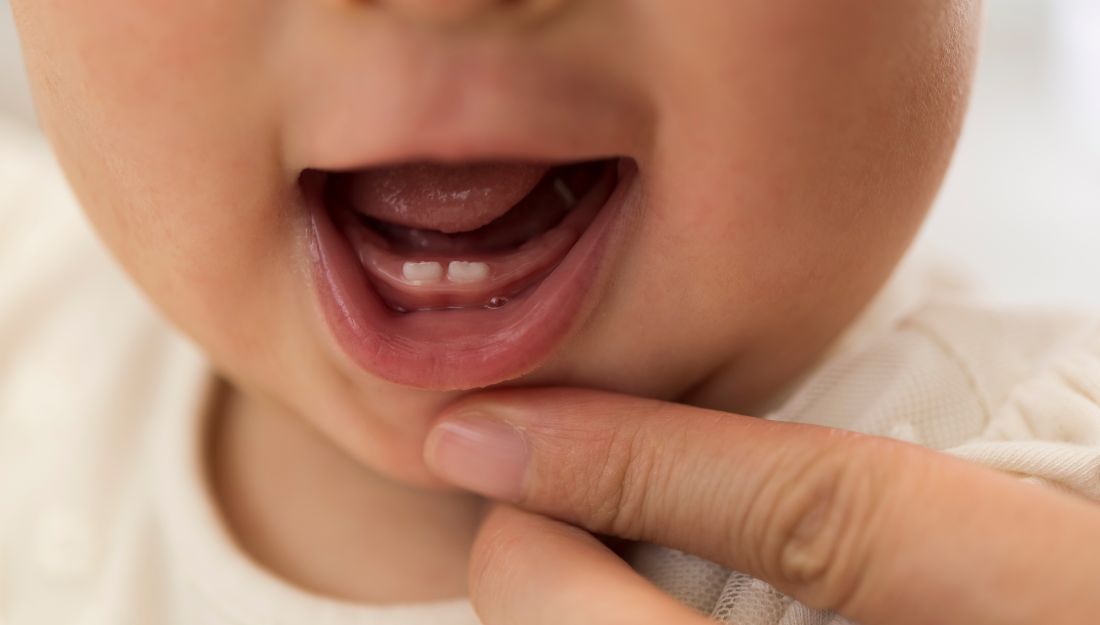
“Isn’t that a little early?” It’s the question we hear most often when parents learn that a child’s first dental visit should happen around the first birthday. It’s a fair question. At that age, your little one might have only a handful of teeth, and some babies don’t have any yet.
Early visits aren’t really about treatment, though. They’re about getting a healthy start, spotting small issues before they grow, and helping your child get comfortable with the dentist long before there’s any reason to be nervous. Here’s what to expect, step by step, when you bring your child to Sweet Tooth Kids Dentistry in Downers Grove.
When Should My Child First See a Dentist?
The American Academy of Pediatric Dentistry recommends a first visit within six months of the first tooth coming in, and no later than the first birthday. Whichever comes first is a good time to book.
If your child is already older than that and hasn’t been seen yet, that’s completely fine. Schedule a visit now. It’s never too late for a first appointment.
Why Start So Young?
Baby teeth can develop cavities as soon as they appear, and decay in very young children can move quickly. An early visit lets us check for the first signs of trouble, like chalky white spots near the gumline, while they can still be managed with simple changes at home.
Just as important, an early visit gives you a chance to ask questions. Parents of babies and toddlers have a lot of them, and a dental visit is a good place to get answers that fit your child specifically.
Before the Visit: Getting Ready
A little preparation can make the day go more smoothly for everyone.
- Pick a time when your child is usually rested. Morning appointments often work well for little ones. Avoid nap time if you can.
- Keep your words positive and simple. Phrases like “the dentist is going to count your teeth” work better than explaining every step. Try to avoid words like “hurt” or “shot,” even to reassure.
- Read a picture book or play pretend. Taking turns counting each other’s teeth, or a stuffed animal’s, makes the idea feel familiar.
- Bring a comfort item. A favorite blanket or toy can help a child settle in a new place.
- Jot down your questions. It’s easy to forget them once you’re in the room.
During the Visit: What Actually Happens
First visits are short and gentle, and they’re shaped around your child’s age and comfort level.
For babies and young toddlers, the exam often happens with your child sitting on your lap, sometimes in a knee-to-knee position where your child lies back with their head in the dentist’s lap. That way they can see you the whole time. It’s a cozy, simple setup that works well for little ones who aren’t ready for the big chair.
The dentist will look at your child’s teeth, gums, tongue, and bite, check how teeth are coming in, and look for any early signs of decay. Depending on your child’s age and needs, the visit may include a gentle cleaning and a fluoride varnish, which is painted onto the teeth to help strengthen enamel.
The whole exam is usually over quickly. There are no needles, and nothing is rushed.
Your Role in the Room
Kids take their cues from the adults around them, especially at this age. If you’re relaxed, your child is more likely to be relaxed too. If dental visits make you anxious yourself, that’s very common, and it’s okay to mention it to our team. We’ll help keep the mood light for both of you.
During the exam, your job is mostly to be a steady, familiar presence. Hold your child’s hands, talk softly, and let the team guide the pace. Our staff work with young children every day and have plenty of gentle tricks for keeping little ones calm and curious.
If you have other children at home, it can help to bring an older sibling who’s comfortable at the dentist. Watching a big brother or sister sit happily in the chair can make the whole idea feel a lot less mysterious.
What We’ll Talk About
A big part of a first visit is conversation. Topics often include:
- How to brush your child’s teeth, and how much toothpaste to use at different ages
- Feeding habits, including bottles, cups, and snacks
- Teething, and what’s normal as new teeth arrive
- Thumb sucking and pacifiers
- How to keep sugary drinks and frequent snacking from becoming a problem
- What to do if your child falls and bumps a tooth
You don’t need to know the right questions ahead of time. We’ll walk you through what matters for your child’s age, and you can ask about anything else on your mind.
What If My Child Cries?
Many toddlers cry at their first visit, and that’s completely normal. A new place, new faces, and someone looking in their mouth is a lot for a one-year-old. Crying doesn’t mean the visit went badly. In fact, it can make it easier to see all their teeth.
Our job is to keep things calm and positive, and to move at a pace that works for your child. With each visit, most kids get more comfortable. The child who cried at 12 months is often the one proudly climbing into the chair at age three.
After the Visit
Before you leave, we’ll share what we saw and anything you can do at home to keep your child’s smile healthy. Most children then come back every six months, though we may suggest a different schedule based on their needs.
Celebrate a little on the way home. A trip to the park or extra time with a favorite toy helps your child connect the dentist with something good.
Schedule Your Child’s First Visit in Downers Grove
A first visit is one of the easiest ways to give your child a strong, healthy start. If your baby’s first tooth has arrived or that first birthday is coming up, Sweet Tooth Kids Dentistry would love to meet your family. Contact our Downers Grove office to schedule your child’s first appointment.