
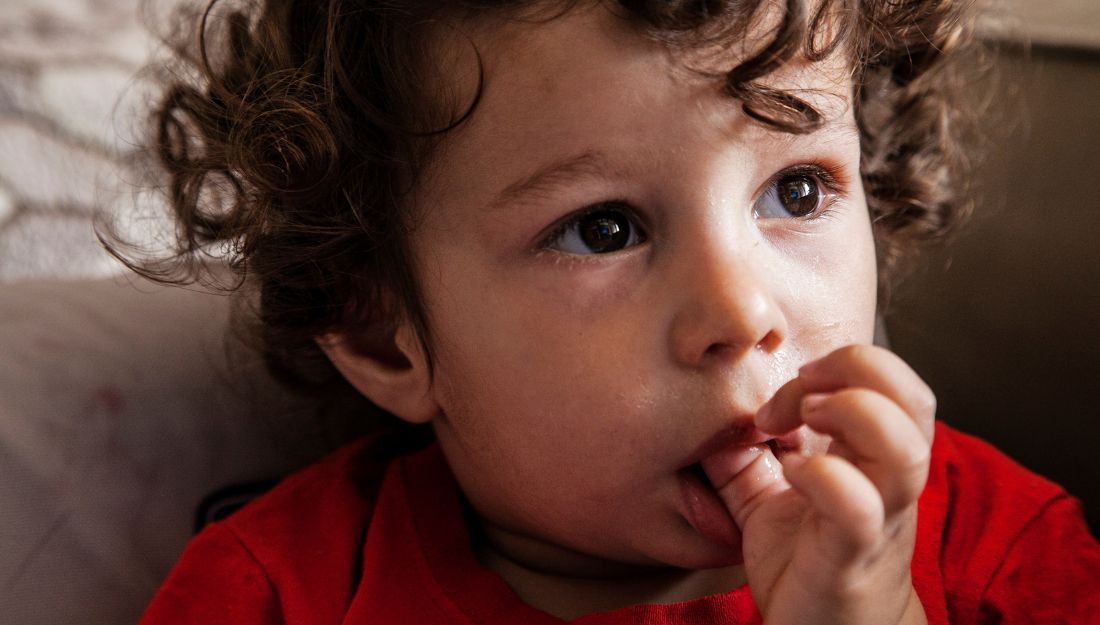
Few things look more peaceful than a sleeping toddler with a thumb tucked in their mouth. Thumb sucking is one of the first ways babies learn to soothe themselves. Some start before they’re even born, and ultrasound images have caught it in the womb.
So when parents ask whether they should worry, the honest answer is: not at first. Whether thumb sucking starts to affect the teeth depends mostly on how long it continues, how often it happens, and how intensely your child sucks. Here’s what our Downers Grove team wants parents to know about when it’s harmless, when it’s time to gently step in, and how to help without turning it into a battle.
Why Kids Suck Their Thumbs
Sucking is a natural reflex. For babies, it’s calming, and it helps them settle, fall asleep, and cope with new or stressful situations. Many toddlers keep the habit because it still works for those same reasons: bedtime, car rides, a scraped knee, a long day.
Keep that in mind as your child gets older. Thumb sucking isn’t bad behavior. It’s a comfort tool, and kids give it up most easily when they have other ways to feel secure.
Birth to Age 2: Nothing to Worry About
At this stage, thumb sucking is completely normal and doesn’t cause lasting harm. Baby teeth are just coming in, and the habit is part of healthy development. There’s no need to discourage it.
Ages 2 to 4: Watch, but Don’t Push
Most children stop on their own somewhere between ages 2 and 4. Some taper off gradually, sucking only at bedtime before stopping altogether. Gentle encouragement is fine at this age, but pressure usually backfires.
At checkups, we pay attention to whether the habit is fading and whether there are any early changes in how the front teeth line up. We also ask about intensity. A thumb that simply rests in the mouth puts much less pressure on the teeth than active, vigorous sucking. If you can hear a pop when your child pulls their thumb out, that’s the more forceful kind.
Age 4 and Beyond: When Teeth Can Be Affected
As kids approach the age when permanent teeth start coming in, usually around 5 or 6, a persistent habit is more likely to leave its mark. The steady pressure of the thumb and the sucking motion can gradually:
- Push the upper front teeth forward and tip the lower front teeth back
- Create an open bite, where the front teeth don’t meet when the back teeth are together
- Narrow the roof of the mouth, which can affect how the upper and lower teeth fit side to side
- Affect speech, such as a lisp on certain sounds, as the tongue adapts to the changed tooth position
Many early changes to baby teeth improve on their own once the habit stops, especially if it stops before the permanent front teeth arrive. Changes that carry into the permanent teeth are more likely to need treatment down the road, which is why this is the window when helping your child quit matters most.
What About Pacifiers?
Pacifiers can affect teeth in similar ways when they’re used for years. The difference is that a pacifier can be put away, while a thumb is always available. Many families find it easier to wean off a pacifier around age 2 or 3.
If your child uses one, never dip it in honey, juice, or anything sweet. That bathes the teeth in sugar, and honey isn’t safe for babies under one year old.
Gentle Ways to Help Your Child Stop
Children quit most successfully when they feel supported rather than scolded. A few approaches that tend to work:
- Praise the moments without it. Notice and celebrate when they aren’t sucking their thumb, rather than pointing out when they are.
- Learn the triggers. If it happens when your child is tired, anxious, or bored, address the feeling. A hug, a favorite stuffed animal, or a busy-hands activity can fill the same need.
- Use a sticker chart. Small rewards for thumb-free days or nights give kids a goal they can see.
- Offer gentle nighttime reminders. For kids who want to stop but still suck in their sleep, a soft glove or a bandage on the thumb can serve as a reminder rather than a punishment.
- Let them help make the plan. Older preschoolers often respond well when you decide together that it’s time. Hearing it from the dentist can help too.
Try to avoid shaming, teasing, or harsh methods. They tend to raise anxiety, and anxiety is often what drives the habit in the first place.
When to Check In Sooner
Most thumb sucking fades without any trouble, but a few situations are worth bringing to us before the next routine visit:
- Your child is still sucking often, day or night, after age 5
- You’ve noticed the front teeth starting to flare forward or not meeting when your child bites down
- Your child’s speech seems to be changing, especially with sounds like “s” and “th”
- The thumb itself has calluses, cracked skin, or sores from frequent sucking
If the habit seems to be getting stronger rather than fading, or it shows up alongside other signs of worry or stress, it can also help to talk with your pediatrician. Sometimes a comfort habit is simply doing extra work during a hard stretch.
How Your Child’s Dentist Can Help
Regular checkups let us see how your child’s teeth and bite are developing and whether thumb sucking is leaving any marks. Sometimes a friendly conversation between the dentist and your child makes a bigger impression than anything said at home. Kids often listen differently to someone outside the family.
If a habit is especially persistent, we’ll talk with you about next steps that fit your child’s age and personality.
Thumb Sucking Questions? We’re Here in Downers Grove
Every child drops the habit on their own timeline, and most do so without any lasting effect on their teeth. If you’re unsure whether your child’s thumb sucking is still in the normal range, bring it up at their next visit. The team at Sweet Tooth Kids Dentistry in Downers Grove is happy to take a look, answer your questions, and help you find an approach that works for your family.