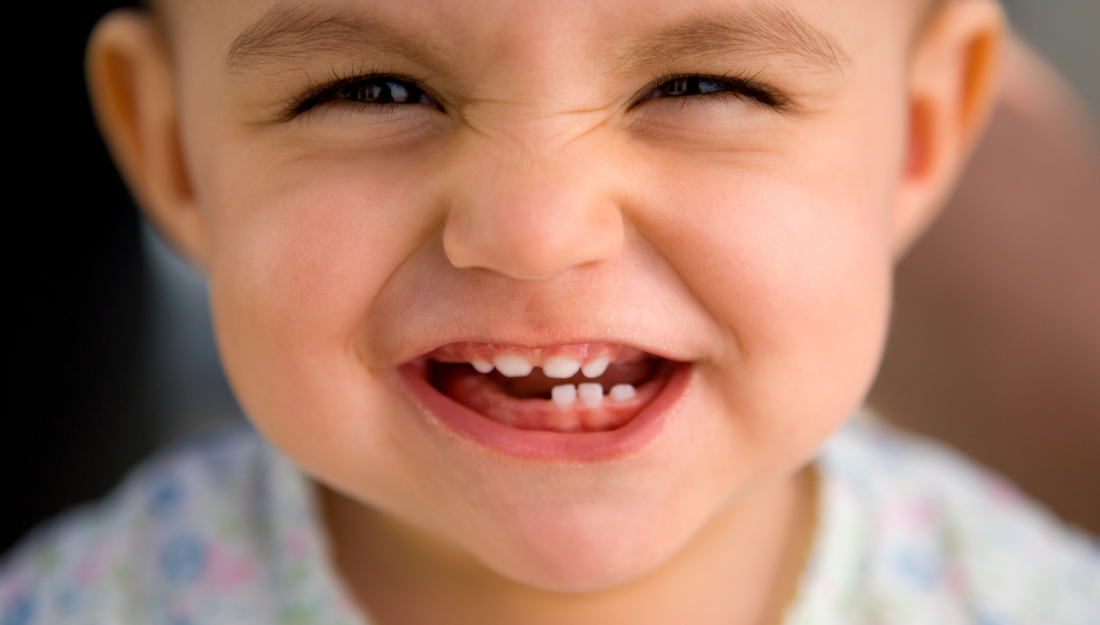
It is one of the most common assumptions parents make about their children’s teeth: baby teeth are temporary, so they do not really matter. They fall out anyway, the thinking goes, so why worry too much about a little cavity or a chipped tooth that is destined to be replaced? It is an understandable idea, but it turns out to be one of the biggest myths in children’s dentistry. Baby teeth do far more than fill a smile for a few years. At Sweet Tooth Kids Dentistry in Downers Grove, helping parents understand the real job of baby teeth is one of the most valuable conversations we have. Here is why those first little teeth matter more than you might think.
The Myth: “They Just Fall Out Anyway”
The belief that baby teeth are disposable is rooted in a simple truth: yes, they are eventually replaced by permanent teeth. But that fact overlooks everything baby teeth are doing in the meantime. During the years a child relies on them, baby teeth are actively shaping how a child eats, speaks, and even how their adult teeth come in. Treating them as unimportant can lead to problems that outlast the baby teeth themselves. Once you understand their full role, it becomes clear why caring for them is worth the effort.
They Hold Space for Adult Teeth
Perhaps the most important job of a baby tooth is one that happens out of sight. Each baby tooth acts as a placeholder, holding open the space where an adult tooth will eventually grow in. When a baby tooth is lost too early, often due to severe decay, the neighboring teeth can drift into the empty space. That can leave too little room for the permanent tooth, leading to crowding, crookedness, or teeth that come in out of position. Many orthodontic issues that surface later can be traced back to baby teeth that were lost prematurely. Keeping baby teeth healthy for their full lifespan helps the adult teeth arrive where they belong.
They Are Essential for Eating and Nutrition
Healthy baby teeth allow a child to chew comfortably and eat a full range of foods. When teeth are damaged, decayed, or painful, children often begin avoiding certain foods, especially the crunchy fruits and vegetables that are so important for growing bodies. A tooth that hurts can quietly narrow a child’s diet at exactly the age when good nutrition matters most. Well-cared-for teeth support healthy eating habits and the balanced diet that fuels a child’s development.
They Play a Key Role in Speech
Baby teeth also help children learn to speak clearly. Teeth work together with the tongue and lips to form many of the sounds of language, and the position of a child’s teeth influences how those sounds come out. When baby teeth are lost early or badly damaged, it can affect how a child learns to pronounce certain words during these formative years. Keeping baby teeth healthy supports clear speech as your child’s language develops.
They Affect Confidence and Comfort
Children are more aware of their smiles than many adults realize. Visible decay, discoloration, or missing teeth can make a child self-conscious, particularly once they start school and become more attuned to how they look to others. Beyond appearance, tooth pain and infection are simply uncomfortable, and a child dealing with a toothache may struggle to focus, sleep, or play. Healthy baby teeth spare children unnecessary discomfort and help them feel good about their smile at an age when confidence is still taking shape.
Decay in Baby Teeth Can Affect Permanent Teeth
There is another reason not to shrug off a cavity in a baby tooth. The permanent teeth are developing in the gums directly beneath the baby teeth. A serious, untreated infection in a baby tooth can, in some cases, affect the health of the developing adult tooth below it. Far from being isolated, the health of baby teeth is connected to the smile your child will carry for the rest of their life. Addressing problems early protects both.
What Happens If a Baby Tooth Is Lost Too Early?
Because baby teeth hold space for the permanent teeth developing beneath them, losing one ahead of schedule can create complications. When a tooth comes out too early, whether from decay, injury, or infection, the surrounding teeth may gradually tip or drift into the gap. That can crowd out the room the adult tooth needs, sometimes leading it to come in crooked or blocked. In these situations, a dentist can sometimes place a small device called a space maintainer, which simply holds the gap open until the permanent tooth is ready to arrive. It is a good example of why an early loss is worth a dental visit rather than a wait-and-see approach, since a small step now can prevent bigger orthodontic concerns later.
How to Care for Baby Teeth
The good news is that caring for baby teeth is straightforward, and the habits you build now tend to last. A few basics go a long way:
- Begin cleaning your child’s mouth even before teeth appear, and start brushing gently as soon as the first tooth comes in.
- Help your child brush twice a day, and supervise until they can do a thorough job on their own.
- Offer water as the everyday drink, and save juice and sweet treats for occasional moments rather than all-day sipping.
- Schedule regular dental visits starting around your child’s first birthday, so any concerns are caught early.
These small routines protect your child’s teeth now and lay the groundwork for a lifetime of healthy habits.
Give Your Child’s Smile a Strong Start in Downers Grove
Baby teeth may be temporary, but the role they play is anything but small. They guide adult teeth into place, support eating and speech, and help your child feel comfortable and confident along the way. If you have questions about caring for your child’s teeth, or it is time for their next checkup, the team at Sweet Tooth Kids Dentistry in Downers Grove is here to help. Reach out to schedule a visit whenever you are ready.